
kirbyrivera42
About kirbyrivera42
9 Ways To enhance Broker
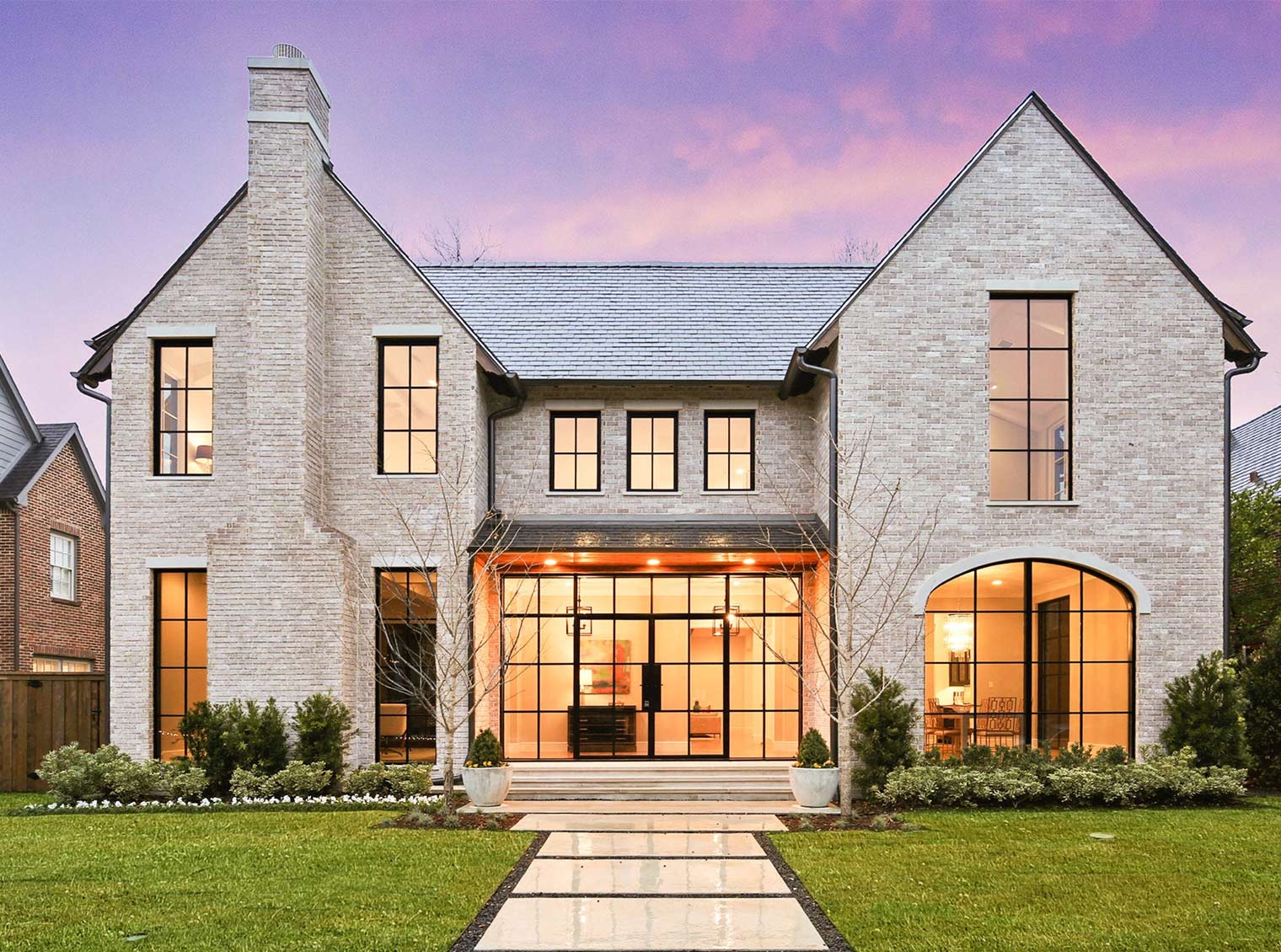 The real estate market does not move in one direction nationwide. It never has. What is happening in Austin is not what is happening in Cleveland. What is true for a three-bedroom in the suburbs of Dallas has almost nothing to do with a two-bedroom in San Francisco. Before you do anything else, narrow your focus to the specific market you are shopping in and stop reading national headlines as if they apply to you personally.
In markets where developers managed to bring inventory to market faster than demand absorbed it, prices have pulled back. Markets that overheated fastest have cooled most noticeably. But those are the exceptions. Most markets are not working from excess; they are working from scarcity.
Affordability, by the standard measure of what share of median household income goes toward the monthly payment on a median-priced home, is near its worst level since the early 1980s. That is a real problem, and it is not going away quickly. But affordability being stretched does not mean prices are about to fall sharply. What it means, practically, is that fewer people can compete for each property.
Shop multiple loan officers to compare rates and fees. A 0.25 percent gap between two lenders’ quotes adds up to tens of thousands of dollars over the life of most home loans. Lender fees vary too. Request itemized fee schedules so you can compare apples to apples.
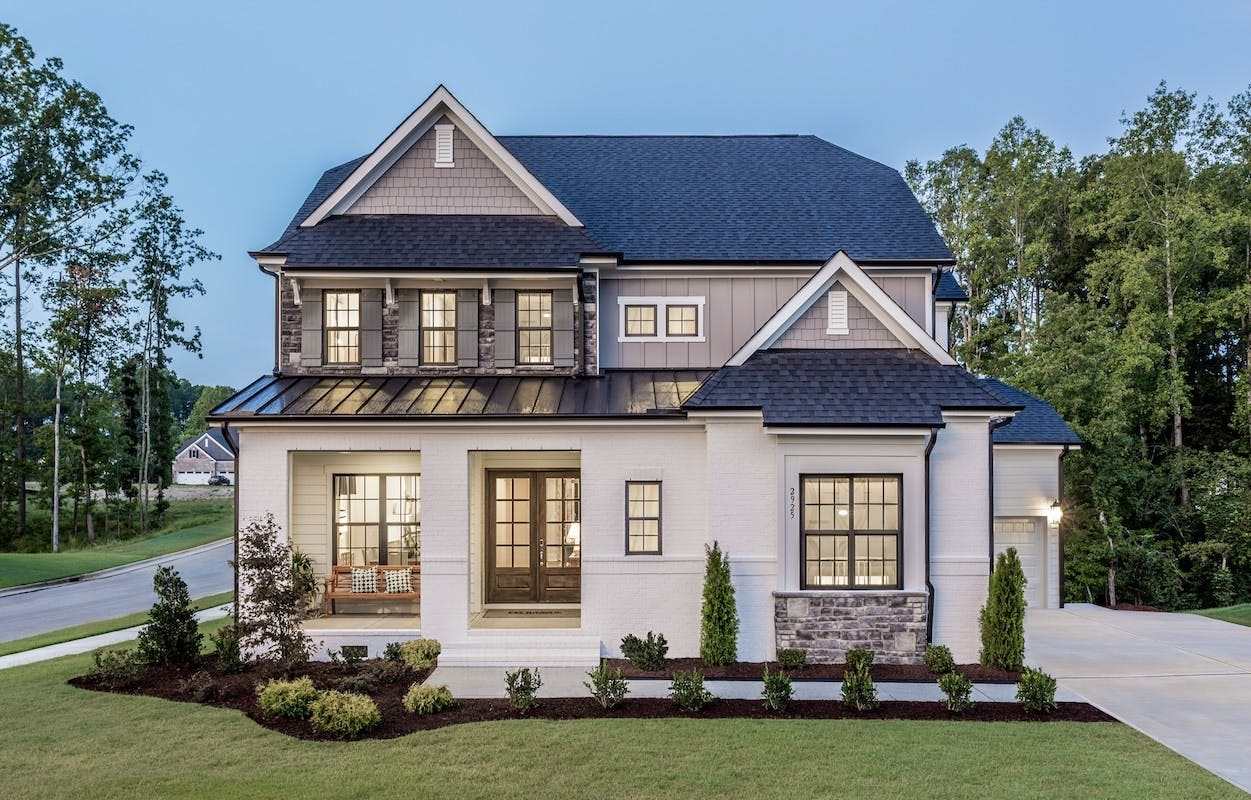 The inspection is where the marketing copy meets reality. Schedule it and attend in person if at all possible. A good home inspector will walk you through what they are finding as they go, and the conversation is often more valuable than the written report that follows.
Budget between two and five percent depending on your loan type and the state you are buying in. First-time buyers are sometimes surprised by how much cash is required beyond the down payment itself. Ask your lender for a Loan Estimate with a realistic purchase price so the numbers reflect what you are actually going to face.
 The timing question, whether to buy now or wait for a better moment, is the one that trips up more buyers than any other single factor. Waiting for the perfect moment is how people end up renting for another five years when they did not mean to. The more useful question is not whether now is the right time in the abstract; it is whether you can carry the payment without strain.
Real estate rewards preparation more than it rewards timing. The market does not wait for the ideal moment, and neither should buyers who have done the work. Start by browsing current homes for sale and market resources to build a realistic picture of your options.
No listing found.